



When it comes to your heart health, what you eat matters. In fact, one study found that two in three deaths related to heart disease could be traced back to unhealthy food choices.
The good news: A healthy diet lowers your risk of heart problems. For example, research has shown that making better lifestyle choices can reduce a person’s stroke risk by up to 80%. This Heart Month, improve your health by changing your habits—starting with the grocery store. Here’s what to look for and avoid at the grocery store to keep your entire body healthier.
The golden rule of grocery shopping
You may have heard the golden rule of grocery shopping: Stick to the outer perimeter of the store. That’s because the outer perimeter is where most stores stock fresh, unprocessed foods like fruits, vegetables, eggs or lean protein. The more fresh foods you put in your shopping cart—and your body—the more likely you are to have a healthy body, including a healthy heart.
In particular, pay attention to a few factors that have a critical impact on your heart health: sodium, sugar and saturated fats.
Limit your sodium
One of the most significant factors in your heart health is sodium intake. Eating too many sodium-packed foods can increase your blood pressure, damage your arteries and raise your risk for heart disease.
The American Heart Association recommends 1,500 milligrams (mg) of daily sodium, with a max intake of 2,300 mg. However, reports from the U.S. Food and Drug Administration find that the average American gets about 3,400 mg daily. What does less than 2,300 mg look like? It’s only about one teaspoon of salt!
What to buy to lower your sodium intake
Reducing your sodium is more than just taking your saltshaker off the dinner table. Chips, canned goods, frozen or pre-made meals and condiments often have a lot of extra sodium. But being mindful of a few simple tips can help:
• Look at the daily values (DV) of food labels, especially prepackaged, frozen or canned goods. Aim to buy foods that have less than 100% DV of sodium. Foods that have less than 5% DV of sodium are considered safe options, while any food 20% DV or higher is a high-sodium food.
• Buy the “no-salt-added” or “low-sodium” options when you’re choosing broth, beans, canned vegetables or condiments.
• Flavor your food with herbs and spices. Getting creative in the kitchen can help many people successfully cut back on how much salt they consume.
Scale back the sugar
Sugar may be one of the most misunderstood foods. In fruits, vegetables, grains and dairy, naturally occurring sugar is okay—it gives you energy, and many of these foods are packed with other nutrients like fiber and antioxidants.
But added sugar, the kind found in sodas, cookies and candy, isn’t good for you. And it sneakily makes its way into numerous non-dessert foods, such as ketchup, bread, soup and cured meat. One study found that eating excess sugar increases your risk of dying from heart disease by 38%.
Where to watch your sugar
As with sodium, it’s important to read food labels to check for added sugars. But finding sugar can be trickier, as labels use multiple names for added sugar. Look for words like corn syrup, fruit juice concentrate, malt sugar or any words ending in “ose,” including dextrose, fructose, glucose, lactose, maltose or sucrose.
Food labels often list total sugars in grams. There’s no formal recommended daily value for sugar, but the American Heart Association advises limiting sugar to about 24 to 36 grams per day.
Healthy vs. unhealthy fats
Like sugar, saturated fats are found naturally in many foods, such as beef, poultry, pork and full-fat dairy products. Saturated fat is generally any fat that’s solid at room temperature, such as coconut oil, palm oil, butter or lard.
Too much saturated fat raises your low-density lipoprotein (LDL) or “bad” cholesterol, directly increasing your risk of heart disease. Full-fat food products aren’t automatically “bad” for you, but it’s important to limit your intake. The American Heart Association recommends limiting your saturated fat intake to no more than 6% of your daily calorie intake. If you eat 2,000 calories a day, that’s only 120 calories, or 13 grams, of saturated fat.
How to cut the fat
When it comes to fat, it’s important to keep the big picture in mind. The more you reach for fresh foods at the grocery store, the more likely you are to have a healthy heart. Chances are, when you’re limiting your purchases of high-sodium or high-sugar processed foods, you’re lowering your saturated fats at the same time.
You don’t need to buy “low-fat” prepackaged foods. Rather, make healthy swaps such as eating more fish, lean poultry, nuts or legumes and less red meat or cheese. Reach for liquid vegetable oils such as olive oil rather than tropical ones like coconut or palm oil.
What foods should I add?
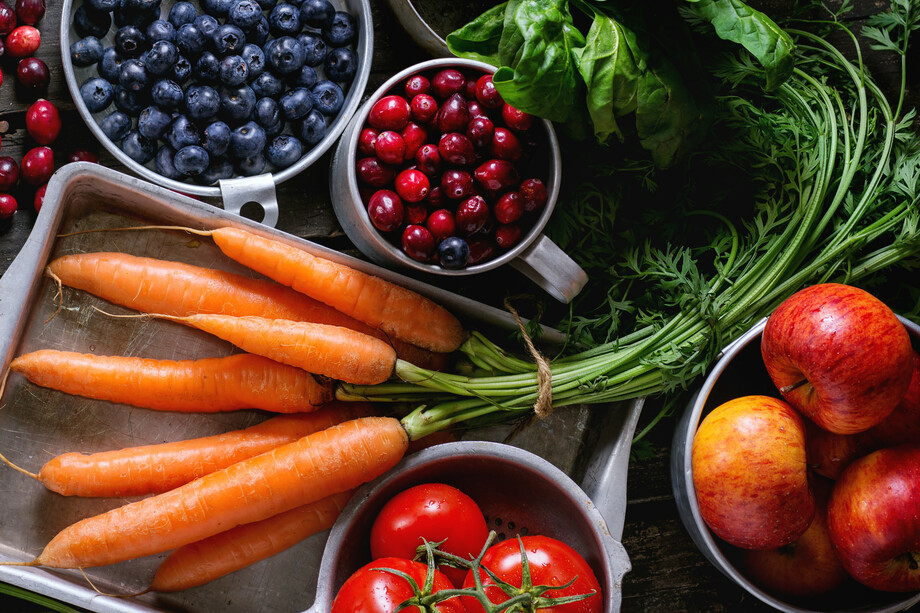
For your best heart health, focus on fruits, vegetables, whole grains, healthy fats and lean proteins. Remember: Shop those outer perimeter aisles and buy fresh as often as you can. Your heart will thank you.
Need a heart check-up? Find an Adventist Health provider near you.